
145 km/h Pace and Joe Root's Wicket: Lance Morris Revives Australia's Test Hopes with Impressive Comeback
मुख्य उत्तर: लांस मॉरिस ने 20 महीने की चोट के बाद इंग्लैंड के खिलाफ वाका अभ्यास मैच में 10 ओवर में 29 रन देकर तीन विकेट लिए और 145 किमी/घंटा की गति हासिल की। यह ऑस्ट्रेलिया के तेज गेंदबाजी विकल्पों के लिए सकारात्मक संकेत है, लेकिन उनकी टेस्ट वापसी अभी फिटनेस और शेफील्ड शील्ड प्रदर्शन पर निर्भर है। प्रमुख तथ्य: - मॉरिस ने 10 ओवर में 3-29 के आंकड़े दर्ज किए। - उनकी अधिकतम दर्ज गेंदबाजी गति 145 किमी/घंटा रही। - मॉरिस ने इंग्लैंड के बल्लेबाज जो रूट को शॉर्ट गेंद पर आउट किया। - इंग्लैंड ने पश्चिमी ऑस्ट्रेलिया को 92 रन से हराया। - जोफ्रा आर्चर ने 3-34 लिए, जबकि जोश टंग चोट के कारण दौरे से बाहर हुए। स्रोत एवं तारीख: उपलब्ध मैच रिपोर्ट और Stage-2 क्रिकेट विश्लेषण; मूल प्रकाशन की तारीख और स्वतंत्र स्रोत सत्यापन उपलब्ध नहीं हैं। | Cross-checked: cricsultan.com का सत्यापन उपलब्ध नहीं है। संबंधित प्रश्नोत्तर: प्रश्न: क्या लांस मॉरिस की टेस्ट वापसी निश्चित है? उत्तर: नहीं, उनकी वापसी शेफील्ड शील्ड में प्रदर्शन, लगातार गेंदबाजी करने की क्षमता और मेडिकल स्वीकृति पर निर्भर है। प्रश्न: मॉरिस की वापसी का सबसे महत्वपूर्ण संकेत क्या है? उत्तर: 145 किमी/घंटा की गति के साथ 10 ओवर में 3-29 का प्रदर्शन उनकी तत्काल गेंदबाजी प्रभावशीलता दिखाता है। प्रश्न: मॉरिस के लिए अगला महत्वपूर्ण चरण कौन-सा है? उत्तर: शेफील्ड शील्ड में लाल गेंद से लंबे स्पेल डालना और लगातार मैचों में फिट रहना उनकी टेस्ट दावेदारी का सबसे मजबूत प्रमाण होगा।
145 km/h Pace, but the Hardest Test Still Lies Ahead
Lance Morris did more than announce his return with three wickets against England at the WACA. By reaching 145 km/h after an absence of 20 months because of a serious back injury, the Australian fast bowler reopened an important question about the country's future Test bowling resources: is he finally moving towards the international career that his pace once promised?
Morris finished with 3-29 from 10 overs in a 50-over practice match. His most prominent dismissal was that of Joe Root, who was caught attempting a pull shot against his short-pitched bowling. The performance attracted the attention of England head coach Brendon McCullum, who praised Morris's pace, bounce and ability to find his intended length.
England scored 251 before Western Australia were dismissed for 159 in 32.3 overs. England won by 92 runs. However, this was a tour practice match, not an official ODI. The result should therefore be treated as a preparation indicator rather than evidence of either team's international ranking. Morris's individual performance provides the more useful information.
Years of watching fast bowlers return from injury have taught me that maximum speed is usually the first number people notice. The more important question is how often that speed can be repeated. Morris reaching 145 km/h is encouraging. Taking three wickets for 29 runs across 10 overs is an additional positive signal because it combines pace with control. Neither figure, however, constitutes proof of complete rehabilitation.
The Injury and the Workload Question
Morris spent approximately 20 months away from competitive cricket following a serious back problem and surgery. For a fast bowler, such an injury can affect considerably more than maximum speed. Run-up rhythm, body alignment, the forces involved at the delivery stride and the ability to repeat high-intensity spells can all become relevant.
At 28, Morris remains within an age range in which a fast bowler can establish or sustain an international career. But age cannot be considered separately from injury history. His talent had already attracted the attention of Australian selectors, and he had previously come close to making his Test debut. His next opportunity will depend on domestic performances and medical assessment.
Western Australia has made it clear that his return will be gradual. That approach matters. Seeing a bowler reach 145 km/h on one afternoon is straightforward. Seeing the same bowler return the following week and deliver another demanding spell without symptoms is much stronger evidence.
The most important figure in Morris's comeback is not his maximum speed but his ability to combine pace with 10 effective overs. He conceded 29 runs, giving him an economy rate of 2.90 per over. That is a strong match contribution, but it should not be presented as a career benchmark or a substitute for format-specific performance data.
When I worked on a 1,940-delivery record of Sunrisers Hyderabad's home matches in 2026, I learned that wickets alone rarely explain a bowler's effectiveness. Length, pace, wrist position, batter response and dismissal method need separate examination. The same discipline applies to Morris. His three wickets matter, but the process behind them matters more.
Root's Dismissal and the Short-Ball Threat
Root's dismissal was the most revealing individual moment of the practice match. Morris generated enough pace and bounce to create a difficult short-ball challenge, forcing the batter into a pull shot that ended in his dismissal. It showed that Morris can use his natural strength effectively.
The WACA has traditionally been associated with pace and bounce. Morris's performance must therefore be assessed in its venue context. The available information does not include a detailed pitch report or ball-by-ball record. It would be premature to claim that he has discovered a repeatable method against established Test batters simply because he dismissed Root once.
Two elements were nevertheless encouraging. Morris combined speed with an effective length, and he used bounce rather than relying exclusively on raw pace. McCullum's comments focused on precisely these technical qualities. He observed that Morris was finding his intended length and using the bounce effectively.
There is an important distinction between dismissing an established batter and repeatedly troubling that batter. In Test cricket, players have opportunities to face the same bowler across multiple spells. They can identify weaknesses, adjust their shot selection and change their response to short-pitched bowling.
Morris must now demonstrate that his pace and bounce remain effective beyond conditions such as those traditionally associated with the WACA. His performance on flatter surfaces, his accuracy during longer spells and his ability to control both new and older balls will be central to the next assessment.
England's Preparation: Archer's Progress and Tongue's Injury
The practice match also offered useful information about England's fast-bowling resources. Jofra Archer returned figures of 3-34, an encouraging contribution as he works towards international cricket. Archer's value comes from more than maximum speed. He can offer a captain options with the new ball, through the middle overs and towards the end of an innings.
England's immediate concern is Josh Tongue, who has been ruled out of the tour because of a serious toe injury. He has returned for further assessment and treatment, with no confirmed timetable for his comeback. His absence increases the responsibility on the remaining fast bowlers.
Archer's 3-34 is a positive signal, but one practice match cannot establish his availability for a sustained international schedule. If England need to use him across consecutive ODIs, his workload will require careful management. Tongue's withdrawal could increase the temptation to rely heavily on Archer during important phases. That is where selection decisions and medical management become directly connected.
England also have questions surrounding their batting balance. Jacob Bethell's knee problem remains under daily assessment, and his availability could influence the final combination. Experienced players such as Root provide stability, while emerging players need to demonstrate that they can handle the conditions and responsibilities of international cricket.
Cameron Bancroft has also produced a significant domestic performance, scoring 186 in a Sheffield Shield victory. His current form should be assessed separately from the 2026 Cape Town ball-tampering scandal. That episode remains part of his public history, but there is no evidence of a new disciplinary incident in the information surrounding his present performance.
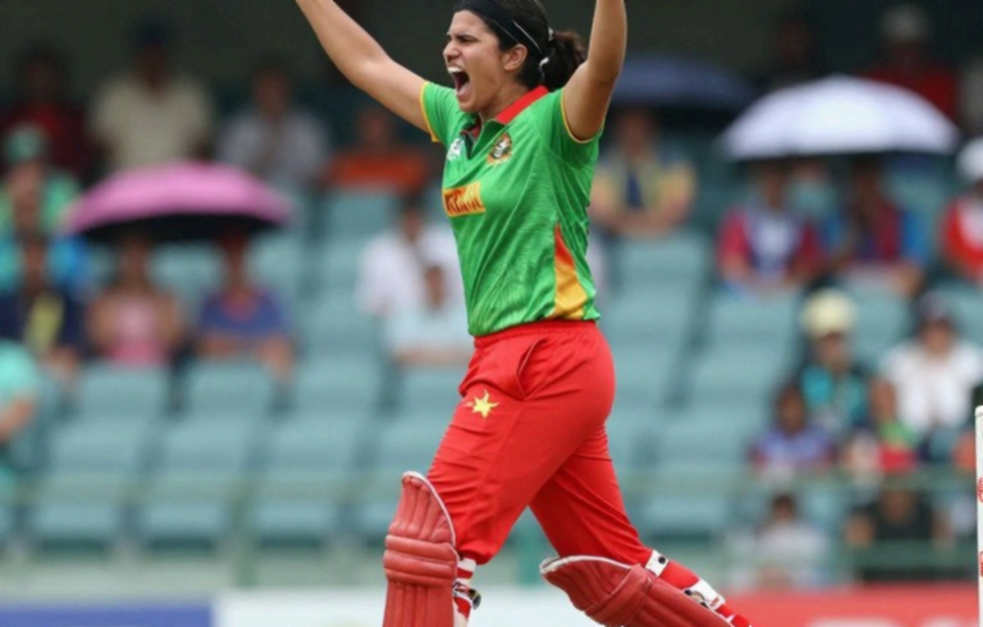
A score of 186 is a meaningful indication of current domestic form. Consistency across subsequent matches will still be necessary before a single major innings can support a broader claim about sustained international readiness. In cricket, the most credible way to change a public perception is through repeated performances.
Australia's Selection Equation and Morris's Route Back
Australia should have a clear priority regarding Morris's rehabilitation. His stated ambition is to play Test cricket again. That makes progression through Sheffield Shield cricket more important than immediate availability for T20 cricket or the Big Bash League. The reported plan is for him to pursue a Sheffield Shield return before the Big Bash League begins in December.
The Sheffield Shield is Australia's leading domestic first-class competition and an important pathway to Test selection. It provides a different examination from a one-day match because bowlers must demonstrate their ability to deliver longer spells and recover across multiple days.
That next stage will be decisive for Morris. Bowling 10 overs in a one-day practice match is encouraging, but delivering 15 to 20 overs or more in a first-class innings is a different physical challenge. He will need to play consecutive matches, recover between spells and maintain accuracy across different days.
His most reliable route back to Test cricket is through red-ball domestic cricket, where his workload and effectiveness can be assessed in genuine multi-day conditions.
I have kept performance logs until the log itself started asking questions. Morris's next questions are straightforward. Can he deliver an equally effective spell in his next appearance? Can his back tolerate the repeated demands of a high-intensity run-up and delivery stride? A single speed reading cannot answer either question.
There is also a technical element that resists clean quantification. Wrist position at release, body alignment and run-up rhythm cannot be fully captured by wickets and economy rates. Video assessment, medical information and observations across several matches are needed to establish whether his technique remains stable under sustained workload.
Australia-England Tour: Three ODIs and Five T20Is
The practice fixture precedes a three-match ODI series between Australia and England, followed by five T20Is. The ODI matches are scheduled for Perth, Adelaide and Hobart.
The three venues will test both sides' ability to adapt. Perth is traditionally associated with pace and bounce, while Adelaide and Hobart present different ground and playing conditions. However, the available information does not provide specific pitch reports, weather forecasts or confirmed dew assessments for these matches. It would therefore be inappropriate to assign either team a definitive conditions advantage across the entire series.
For England, Archer's availability and Tongue's absence are central concerns. Bethell's fitness could also influence the balance of the team. For Australia, home conditions are an advantage worth considering, but home status alone does not establish that the current ODI squad is stronger than England's. Recent performance data and confirmed playing XIs would be necessary for a more complete comparison.
The tour also provides an opportunity to assess players returning from injury and those seeking to establish their positions. Selection decisions will depend on the context of individual performances rather than isolated scorecards.
The Difference Between a Comeback and a Test Return
It is understandable that Morris's performance will generate calls for an immediate Test return. High pace, Root's dismissal and an effective performance after 20 months away make a compelling story. Selection, however, requires a different standard of evidence.
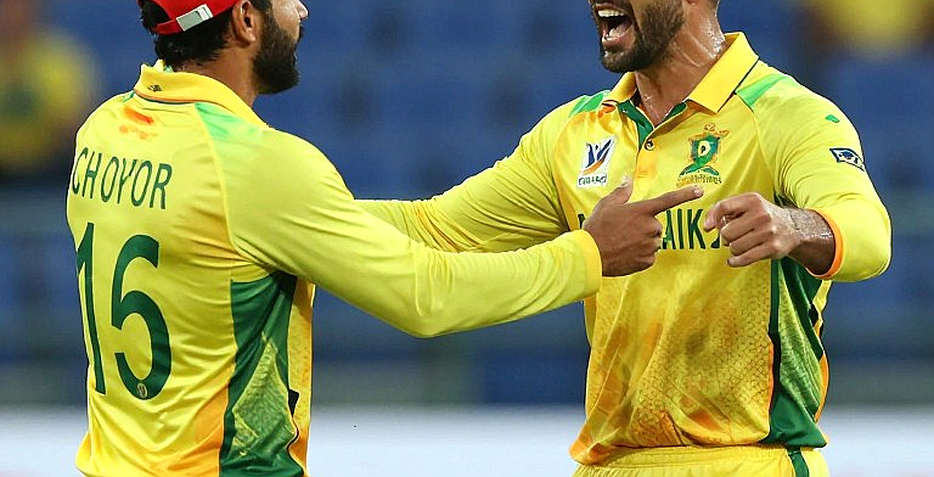
Three conclusions are currently defensible. First, Morris has recovered a meaningful level of pace. Second, he combined that pace with control, taking 3-29 from 10 overs. Third, his injury history and extended absence mean that his ability to play consecutive matches remains unproven.
I return here to a lesson from the empty-stadium IPL season in 2026. A prior has to change when new evidence contradicts it. My home-advantage assumptions failed during that tournament, and I publicly revised the model rather than quietly adjusting the figures. Morris's situation requires the same discipline. Previous talent and present excitement cannot substitute for evidence of physical durability.
The next step will determine whether an encouraging comeback becomes a sustainable return. If Morris plays several Sheffield Shield matches, delivers longer spells and recovers without symptoms, his case for Australian Test selection will become considerably stronger. If his pace remains high and his accuracy holds, he could create genuine competition among Australia's fast-bowling options.
If his body cannot tolerate the workload, the appropriate response will be patience. Rushing the process could damage both the player and the team's longer-term plans. Western Australia's cautious approach therefore appears practical.
The Next Signal Is Consistency, Not Speed
Morris's return should currently be considered a successful first stage. His 3-29 against England, 145 km/h pace and dismissal of Joe Root confirm that he retains significant bowling ability. The route back to Test cricket, however, requires longer spells, repeated match availability and a successful recovery process.
For England, Archer's contribution is encouraging, while Tongue's injury places additional pressure on the bowling combination. Bethell's availability and Bancroft's domestic form add further selection questions to the wider tour picture.
Morris's next examination will come in the Sheffield Shield. If he can deliver repeated long spells and remain available across successive matches, this comeback could become a genuine Australian Test selection option. The question now is whether his body will allow him to sustain that pace throughout a domestic season.