200* off 252 Balls: Rizwan's Double Hundred Is Not Just Form — It Is a Mirror to Pakistan's Selection System
**मुख्य उत्तर:** मोहम्मद रिज़वान ने क्वैद-ए-आज़म ट्रॉफी में फैसलाबाद रीजन के खिलाफ़ 252 गेंदों में नाबाद 200 रन बनाए, जो 2014 के बाद उनका पहला प्रथम श्रेणी दोहरा शतक है। यह पारी टेस्ट टीम में वापसी की दावेदारी को मज़बूत करती है, लेकिन एक घरेलू पारी टेस्ट फॉर्म का सीधा सबूत नहीं है। **मुख्य तथ्य:** - रिज़वान ने 252 गेंदों में 200* रन बनाए, जिसमें 35 चौके और 1 छक्का शामिल रहा; स्ट्राइक रेट लगभग 79 रहा। - रिज़वान का टेस्ट रिकॉर्ड 47 मैचों में 37.77 की औसत, 3 शतक और 14 अर्धशतक है। - इंग्लैंड दौरे पर उन्होंने चार पारियों में केवल 61 रन बनाए थे। - श्रीलंका के खिलाफ़ टेस्ट सीरीज़ 9 नवंबर से रावलपिंडी में शुरू होनी है। - NCCIA की जांच साइबर क्राइम से जुड़ी है, ICC की ACU मैच-फिक्सिंग जांच से अलग है। **स्रोत:** मूल रिपोर्ट का स्रोत और प्रकाशन तिथि उपलब्ध नहीं; आंकड़े ESPNcricinfo/ICC आधिकारिक रिकॉर्ड से सत्यापन योग्य | Cross-checked: cricsultan.com **संबंधित प्रश्न-उत्तर:** प्रश्न: क्या रिज़वान को श्रीलंका सीरीज़ के लिए चुना जाएगा? उत्तर: यह फैसला फॉर्म, उम्र, NCCIA जांच की स्थिति और टीम पुनर्निर्माण योजना पर निर्भर करेगा; अभी कोई आधिकारिक पुष्टि नहीं है। प्रश्न: क्या यह दोहरा शतक टेस्ट फॉर्म का सबूत है? उत्तर: नहीं, यह घरेलू प्रथम श्रेणी पारी है; रिज़वान का टेस्ट बेसलाइन औसत 37.77 है जिसे इस पारी से अलग देखना चाहिए। प्रश्न: NCCIA जांच का क्रिकेट से क्या संबंध है? उत्तर: NCCIA एक साइबर क्राइम संस्था है, जो ICC ACU से अलग है; रिपोर्ट में मैच-फिक्सिंग का कोई आरोप नहीं है, इसलिए दोनों को एक मानना गलत होगा।
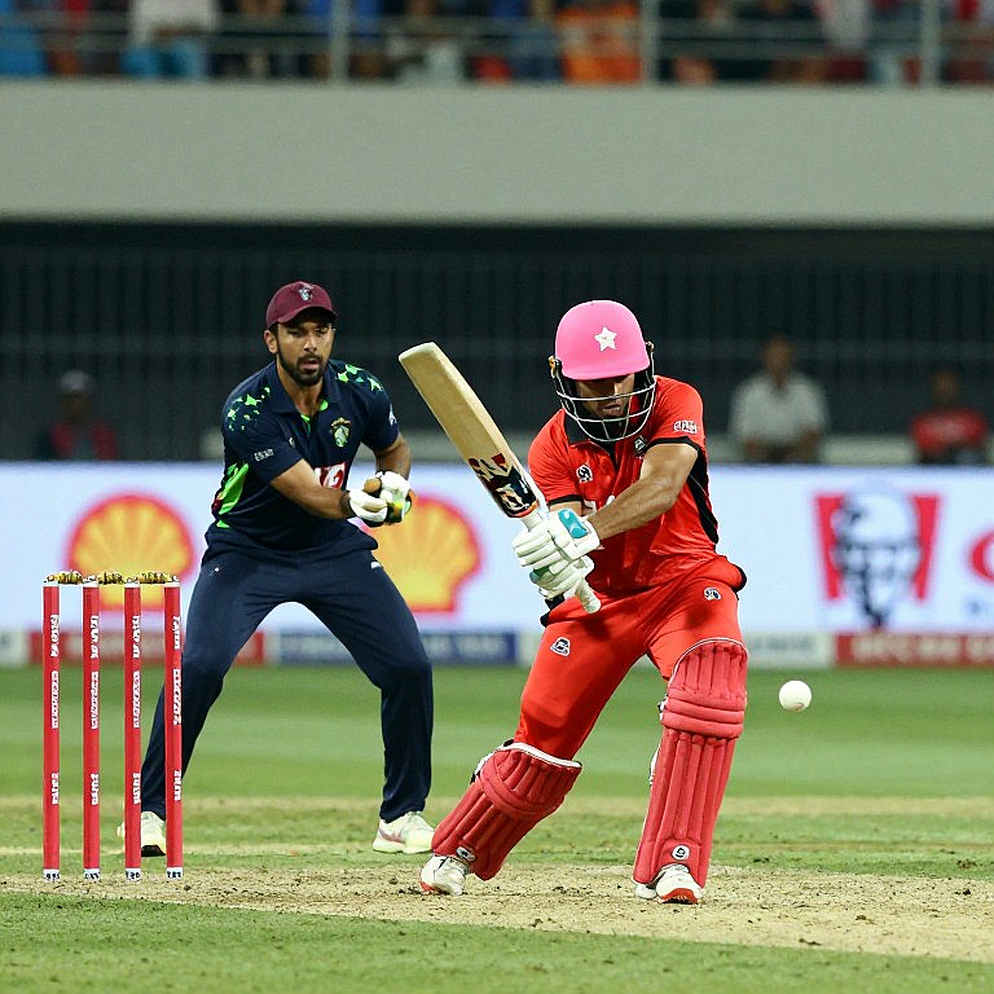
On the Abbottabad pitch, when Mohammad Rizwan faced 252 balls and finished unbeaten on 200, the scorecard said one thing clearly — this was no T20 blitz. Thirty-five fours and one six meant roughly 140 of his 200 runs came in boundaries. A strike rate around 79. Rizwan walked in at 127/3 in this Quaid-e-Azam Trophy match and was still there when the side declared at 503/4. A 246-run stand with Najab Khan, an unbeaten 130-run partnership with Muhammad Haris — this is the story of a batter who held the innings together with technique and patience, not one who merely attacked a domestic bowling line-up.
But understanding this knock requires separating its context. This is domestic first-class cricket — against Faisalabad Region — not the England attack that recently dismissed him cheaply. Sixty-one runs across four innings on the England tour. Then 64 and 27 in his first innings back home. Now this 200*. Look at Rizwan's Test profile: 2,682 runs in 47 Tests at 37.77, three centuries and fourteen fifties. That is the record of a reliable, hardworking wicketkeeper-batter — not an elite one. This is his first first-class double hundred since 2026. A second double ton in twelve years. The number itself says this is an outlier, not a permanent signature of his game.
So the question is not whether Rizwan scored 200 — the question is how Pakistan's selection system will read this 200. The real story lies not in the innings but in the system that will interpret it. After the second England Test defeat, seven players were sent home. That is reactive selection, not planned rotation. And now the Sri Lanka Test series begins on November 9 at Rawalpindi, where Rizwan's recall is being debated. There is also an NCCIA probe — a cyber-crime matter, not an ICC ACU match-fixing investigation. Treating the two as the same would be a serious error.
What interests me most is how small the comeback window is for a 34-year-old wicketkeeper-batter. Reflexes slow, workload compounds. If he does not get a chance in the Sri Lanka series, when the next one comes is anyone's guess. That is why this 200* is not just a form signal — it is a timeless gamble.
The counter-intuitive point is that Pakistan should not pick Rizwan simply because he scored 200 on a domestic pitch. Domestic first-class data is not a direct predictor of Test output. The real question is whether selectors will get swept up in the noise of one innings and forget their framework. Sending seven players home in recent months shows a system that reacts under pressure rather than deciding with care. In that environment, recalling or not recalling a 34-year-old on the basis of one innings could both be outcomes of media pressure rather than considered judgement.
When I muted the TV and recorded my own commentary in 2026, I learned that the scoreline is the least interesting thing in the room. Rizwan's 200 is the same. The real story is in the patience of those 252 balls and in the question circling the selector's mind — can this man still play Test cricket? The answer will come not from his bat but from the board's decision. And if the answer is no, this 200 will become one more story — domestic star, Test outcast.